Libya-Turkey Maritime Deal Stirs Fresh Regional Disputes
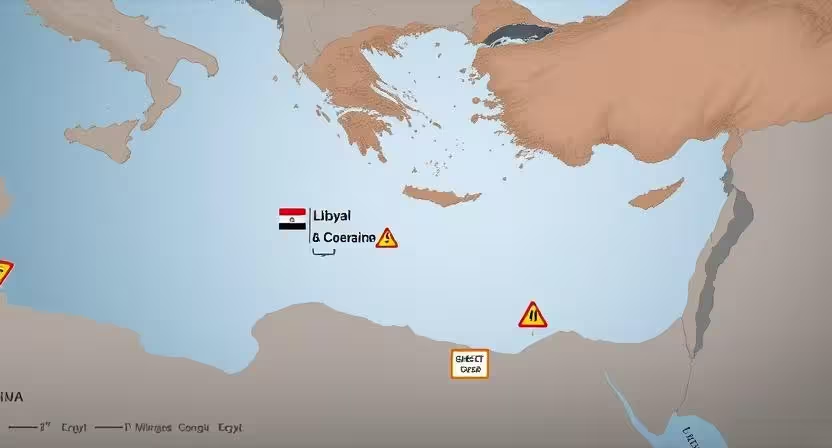
Libya’s eastern-based parliament is reviewing a maritime agreement with Turkey that could reshape control of the Eastern Mediterranean’s offshore zones. The move has already triggered pushback from Greece, Egypt, and the European Union, who view the pact as a direct challenge to international maritime norms.
What’s at Stake?
- The Agreement: Signed in 2019, the Libya–Turkey maritime deal redraws exclusive economic zones (EEZ) across the Mediterranean.
- Criticism: Greece and Egypt argue the deal disregards their territorial rights and violates the UN Convention on the Law of the Sea.
- EU Position: Brussels has expressed concern, warning that the agreement could heighten instability in an already tense region.
Regional Responses
- Greece: Condemns the pact as “illegal and void.”
- Egypt: Calls the move a threat to regional security.
- EU: Urges restraint, signaling possible diplomatic action if the deal is ratified.
Key Details at a Glance
| Country | Position on the Deal | Main Concern |
|---|---|---|
| Libya (East Parliament) | Considering ratification | Expanding maritime rights with Turkey |
| Turkey | Strongly supports | Increased influence in Mediterranean waters |
| Greece | Rejects | Overlapping EEZ claims |
| Egypt | Opposes | Security and sovereignty concerns |
| EU | Critical | Risk of regional instability |
Regional and Global Implications
The Mediterranean remains a hotspot for energy exploration, with multiple countries competing for rights to undersea oil and gas reserves. If Libya ratifies the deal, it could cement Turkey’s role as a key maritime player while intensifying disputes with neighboring states.