
UAE Residents Warned: ‘Friend’ Asking Money on Facebook Could Be a Scam
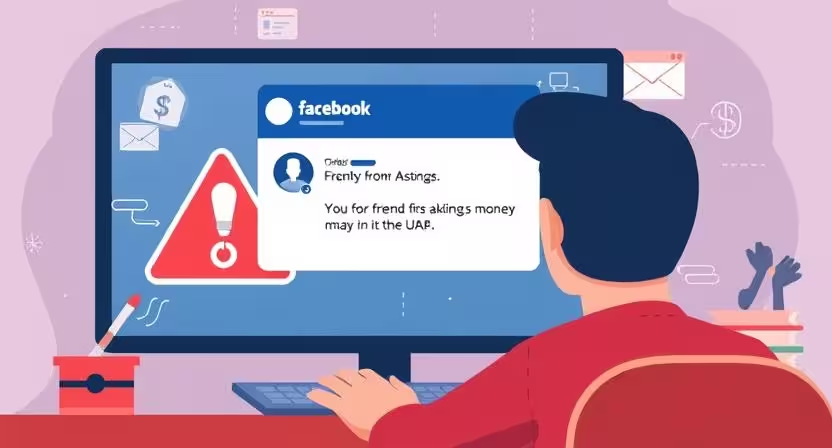
Authorities and cybersecurity experts in the UAE are urging social media users to stay vigilant after reports of scams circulating on Facebook. The scams involve fraudsters impersonating friends and requesting money, often using emotional appeals or fabricated emergencies.
How the Scam Works
Experts highlight common tactics used by scammers:
- Impersonation: Hackers take over social media accounts or create profiles mimicking friends.
- Urgent Requests: Messages often claim urgent financial need, such as medical emergencies or travel issues.
- Payment Requests: Scammers ask for money transfers via cash apps, bank transfers, or gift cards.
Red Flags to Spot Fraud
To protect yourself, cybersecurity experts recommend:
- Verify Directly: Call or message the friend through another channel before sending money.
- Check Account Authenticity: Look for unusual activity, profile changes, or new contacts.
- Avoid Clicking Links: Phishing links may steal login credentials or personal information.
- Report Suspicious Messages: Facebook allows reporting fake profiles or suspicious activity immediately.
| Tip | Action |
|---|---|
| Confirm identity | Contact your friend via phone or alternate messaging app |
| Check for urgency | Be skeptical of high-pressure requests |
| Avoid transferring money | Never send funds without verification |
| Report scam | Use Facebook’s “Report” feature |
Expert Advice
“Fraudsters are becoming increasingly sophisticated,” said a UAE cybersecurity specialist. “Always verify requests and never share personal information or financial details online without confirmation.”
Authorities recommend that UAE residents remain alert and educate family members about these scams to prevent losses.